
How to Use Farrow & Ball Dead Flat: A Complete Guide for a Durable Matt Finish
If you’re looking for an ultra-matt, highly durable paint finish for wood, metal, and plaster, Farrow & Ball Dead Flat is one of the most popular premium interior paints in the UK. Combining a beautifully flat appearance with exceptional durability, it’s ideal for modern interiors, furniture, skirting boards, doors, and high-traffic areas.
In this guide, we’ll explain how to apply Farrow & Ball Dead Flat properly, how to prepare surfaces, whether you need Farrow & Ball Primers, the best tools to use, drying times, coverage rates, and expert decorating tips for achieving a flawless finish.
What Is Farrow & Ball Dead Flat?
Farrow & Ball Dead Flat is an ultra-matt, multi-surface interior paint designed for use on wood, metal, plaster, and previously painted surfaces. With only a 2% sheen level, it delivers a sophisticated chalky appearance while remaining highly durable and washable.
Key Features of Farrow & Ball Dead Flat
- Ultra matt 2% sheen finish
- Highly durable and washable
- Suitable for wood, metal, plaster, and walls
- Scuff-resistant finish
- Water-based and low odour
- Perfect for modern interiors and furniture
Where Can You Use Farrow & Ball Dead Flat?
Farrow & Ball Dead Flat is designed for multiple interior surfaces and works especially well on:
- Walls and ceilings
- Woodwork
- Doors
- Skirting boards
- Furniture
- Metal surfaces
- Kitchen cabinetry
Its combination of ultra-low sheen and durability makes it a popular choice for contemporary interior design.
Before You Start: Surface Preparation
Proper preparation is essential for achieving the best finish with Farrow & Ball Dead Flat.
Clean the Surface
Ensure all surfaces are clean, dry, and free from grease, dust, wax, or flaking paint. Sugar soap may be required for kitchen surfaces or previously painted woodwork.
Repair and Sand Imperfections
Fill any cracks or holes before sanding surfaces smooth. Lightly sanding glossy surfaces can improve paint adhesion.
Do You Need Farrow & Ball Primers?
One of the most common questions decorators ask is whether you need primer before applying Farrow & Ball Dead Flat.
For the best results, Farrow & Ball recommends using the correct Farrow & Ball Primers before applying Dead Flat. Using the correct primer helps improve adhesion, colour depth, durability, and overall finish quality.
Primer is especially important if:
- You are painting bare wood or metal
- The surface is porous
- You are covering a strong existing colour
- You are painting over glossy finishes
- You want maximum durability and smoothness
Best Primer for Farrow & Ball Dead Flat
The best option is to use the appropriate Farrow & Ball Primers based on the surface type and paint colour.
Farrow & Ball generally recommends one coat of primer followed by two coats of Farrow & Ball Dead Flat for the best coverage and finish.
You may not always need primer when repainting previously painted surfaces in a similar colour. However, primer is highly recommended for the smoothest and most durable result.
Tools You Need for Applying Dead Flat
Using high-quality decorating tools can make a significant difference when applying Farrow & Ball Dead Flat.
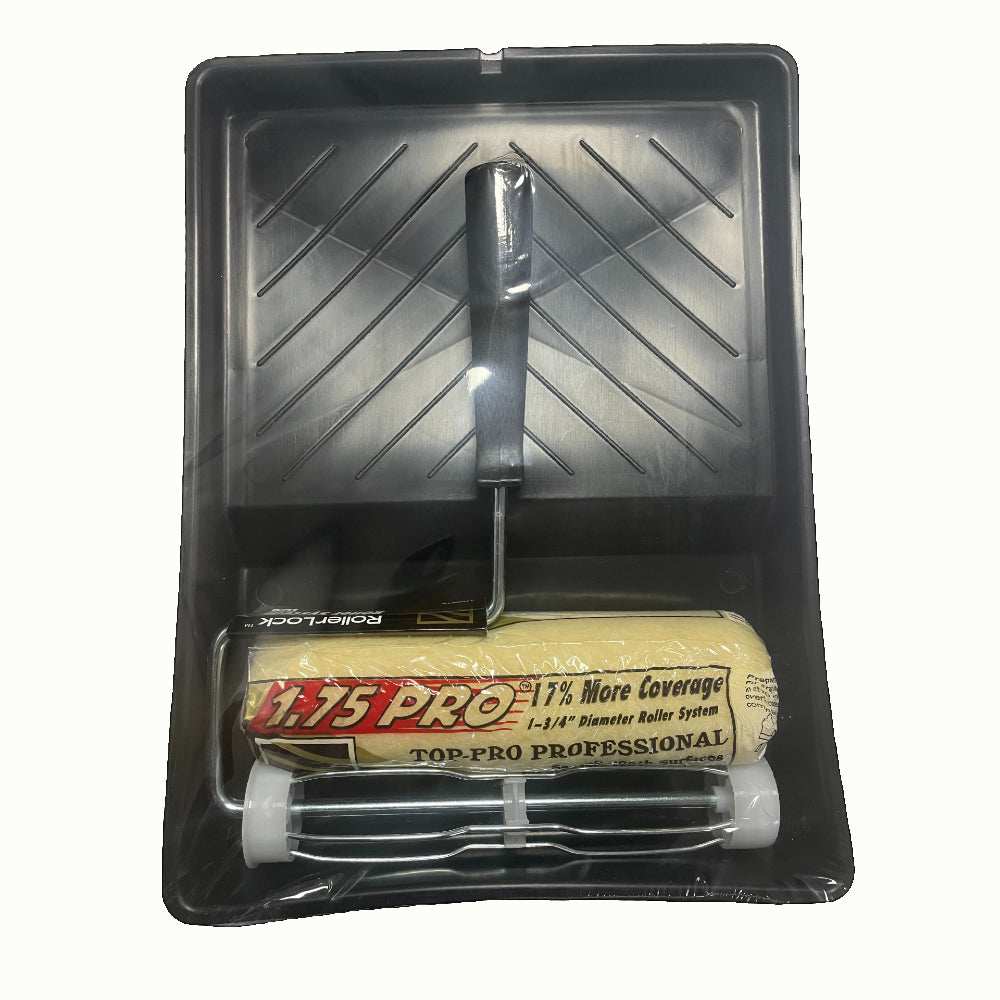
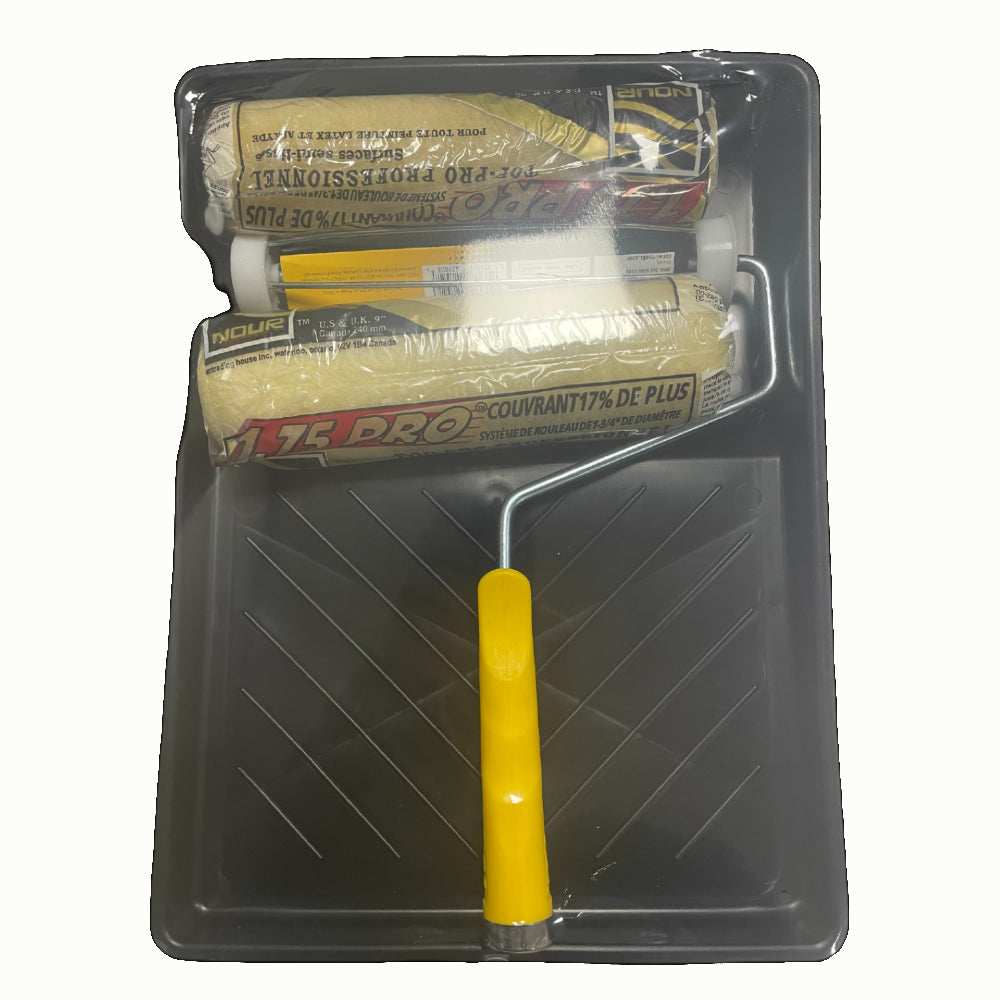
- Synthetic paint brush
- Foam or microfiber roller
- Paint tray
- Fine sanding paper
- Masking tape
- Dust sheets
Best Roller for Farrow & Ball Dead Flat
A microfiber or foam roller is often recommended for achieving a smooth ultra-matt finish on walls and woodwork.
How to Apply Farrow & Ball Dead Flat
Step 1: Stir the Paint Thoroughly
Farrow & Ball Dead Flat should be stirred thoroughly before and during use to ensure even pigment distribution and colour consistency.
Step 2: Cut In and Detail Work
Use a quality synthetic brush to paint edges, corners, skirting boards, doors, and trim before rolling larger surfaces.
Step 3: Apply Using a Roller or Brush
Apply evenly in smooth, consistent strokes while maintaining a wet edge throughout application.
For the best finish:
- Avoid overworking the paint
- Apply thin, even coats
- Work in manageable sections
- Allow proper drying time between coats
Step 4: Apply a Second Coat
Most colours will require two coats of Farrow & Ball Dead Flat for full opacity and depth of colour.
Farrow & Ball Dead Flat Drying Time
Dead Flat is usually touch dry within 2 hours and can typically be recoated after 4 hours depending on temperature and humidity.
Coverage and Performance
How Much Farrow & Ball Dead Flat Do You Need?
Farrow & Ball Dead Flat generally covers up to 12m² per litre per coat, although this may vary depending on surface porosity and colour changes.
Common Problems and How to Avoid Them
Brush Marks
Brush marks can occur if paint is overworked or applied too heavily. Use quality brushes and apply thin coats evenly.
Patchy Finish
Patchiness is often caused by poor preparation, skipping primer, or uneven application.
Poor Adhesion
Poor adhesion can happen when surfaces are not cleaned or sanded properly before painting.
Dead Flat vs Estate Eggshell
Many homeowners compare Dead Flat and Estate Eggshell before decorating.
Farrow & Ball Dead Flat offers an ultra matt finish with exceptional durability, while Estate Eggshell has a slightly higher sheen and is traditionally used for woodwork and furniture.
Best Rooms for Farrow & Ball Dead Flat
Farrow & Ball Dead Flat is ideal for:
- Living rooms
- Bedrooms
- Hallways
- Furniture projects
- Woodwork and trim
- Modern interiors
Expert Decorating Tips
Always test your chosen colour before full application and use natural daylight to identify missed areas or uneven coverage.
Buying enough paint from the same batch can also help maintain colour consistency throughout the project.
Frequently Asked Questions
Is Farrow & Ball Dead Flat washable?
Yes, Farrow & Ball Dead Flat is highly durable and washable despite its ultra matt finish.
Can you use Dead Flat on furniture?
Yes, Dead Flat is suitable for furniture, woodwork, and cabinetry.
Does Dead Flat need primer?
For the best results, Farrow & Ball recommends using the appropriate Farrow & Ball Primers before applying Farrow & Ball Dead Flat.
What sheen level is Dead Flat?
Farrow & Ball Dead Flat has an ultra matt 2% sheen finish.
Final Thoughts
Using Farrow & Ball Dead Flat correctly can help you achieve a beautifully smooth, ultra matt, designer-quality finish with impressive durability.
Proper preparation, quality decorating tools, and using the correct Farrow & Ball Primers will help ensure the best possible finish on walls, woodwork, furniture, and interior surfaces.