
Painting a room is one of the quickest ways to transform a home, but a professional finish depends on far more than the paint itself. The preparation products, decorating tools and finishing accessories you choose before you start will have a huge effect on how smooth, neat and long-lasting the result looks.
Whether you are decorating a single bedroom, refreshing a hallway or repainting your whole home, having the right equipment ready in advance will save time, reduce mess and help you work more efficiently.
Protect Your Home Before You Start
Professional decorators always begin by protecting the room before any preparation or painting begins. A few minutes spent covering surfaces properly can save hours of cleaning later.
Dust Sheets
A good quality Dust Sheets product is one of the first items you should have on hand. Dust sheets help protect carpets, wooden flooring and furniture from paint splashes, sanding dust and general decorating mess.
Reusable cotton dust sheets are ideal for larger decorating projects, while lighter options are useful for quicker jobs or for covering furniture.
Floor Protection
If you are decorating over expensive flooring or recently fitted surfaces, dedicated Floor Protection offers extra peace of mind. It helps prevent accidental spills and gives you a clean working area throughout the project.
Prepare the Walls Properly
The best paint finish always starts with good preparation. Even the highest quality paint will struggle to hide poorly prepared walls.
Sugar Soap
Walls naturally collect grease, dust and everyday household dirt. Washing them with Sugar Soap before decorating helps remove contaminants that could affect paint adhesion and improves the final finish.
This step is particularly important in kitchens, hallways and children’s bedrooms, where walls often pick up more marks and residue.
Filler
Before painting, inspect the walls carefully for nail holes, screw holes, small dents and hairline cracks. A good quality Filler creates a smooth surface that becomes almost invisible once painted.
Filling Knife
Applying filler is much easier with the correct Filling Knife. A flexible blade helps spread filler evenly and reduces the amount of sanding required afterwards.
Many decorators keep both narrow and wide Filling Knives available so they can tackle different repair jobs with ease.
Sandpaper
Once filler has dried, lightly sanding the repaired area creates a smoother finish. Keeping several grades of Sandpaper available allows you to prepare walls properly without damaging the surrounding surface.
Caulk
Professional decorators rarely skip Caulk. Applying decorators’ caulk around skirting boards, door frames and window surrounds fills small gaps and helps create cleaner, sharper lines once the decorating is complete.
Choosing the Right Decorating Equipment
Using quality decorating equipment makes painting quicker, easier and produces a noticeably better finish.
Roller Frame
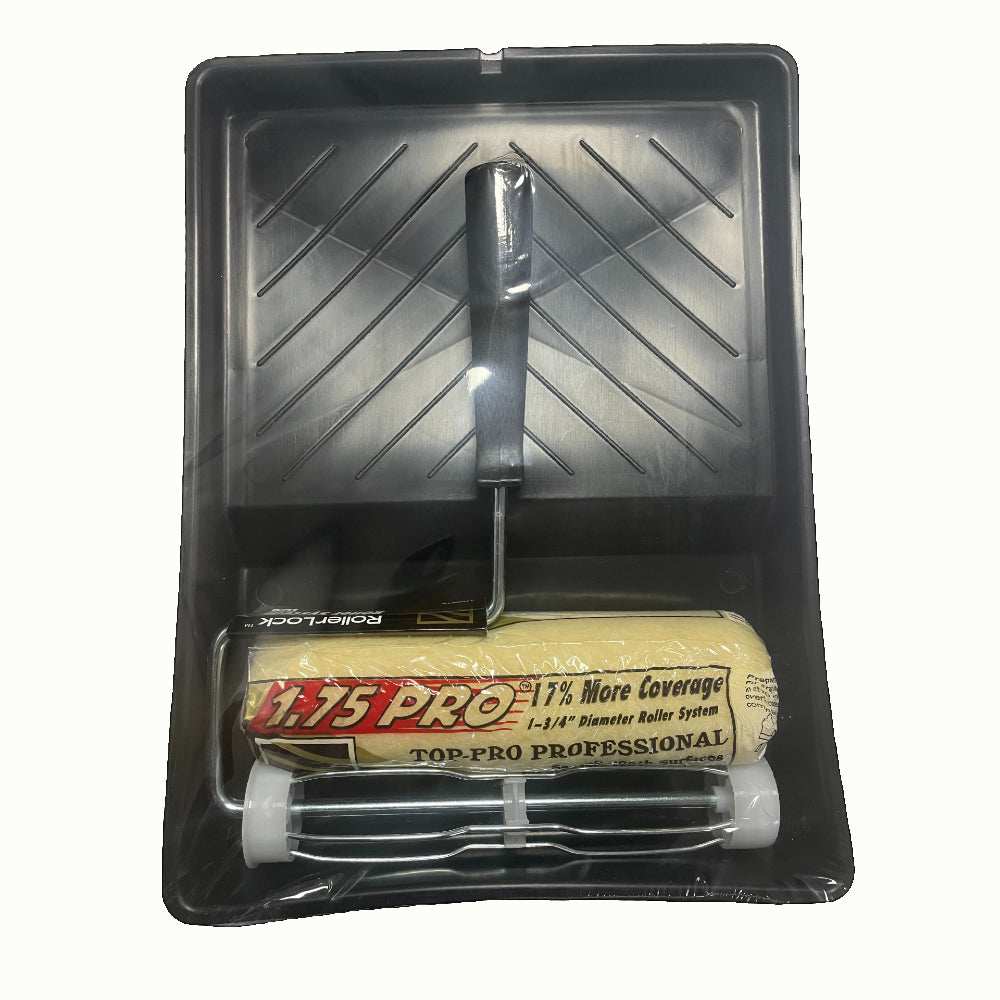
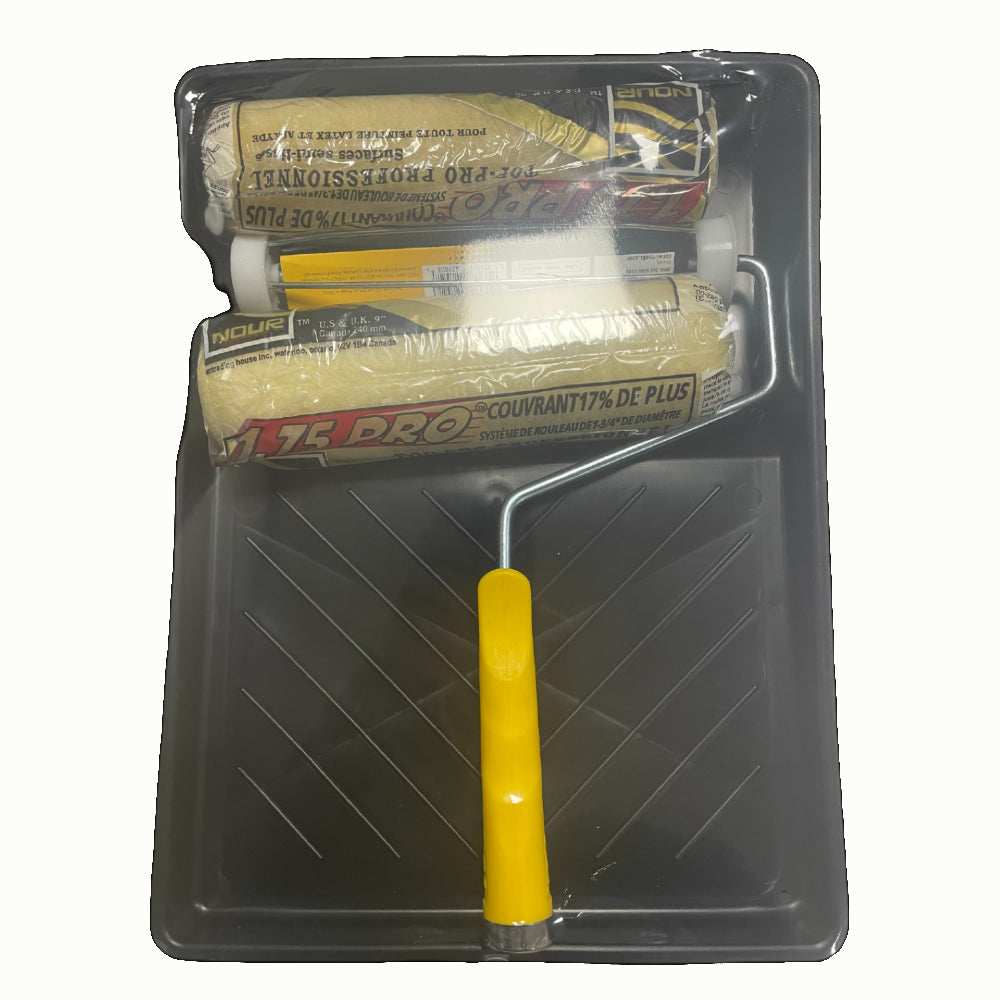
A sturdy Roller Frame provides better control and helps apply paint evenly across large wall areas. A good frame also makes decorating more comfortable, especially on bigger projects.
Roller Sleeve
The Roller Sleeve you choose should match the surface you are painting. Short pile sleeves are ideal for smooth plaster, while medium pile sleeves hold more paint and perform better on lightly textured walls.
Choosing the correct sleeve reduces splatter and gives you a more consistent finish.
Mini Roller
A Mini Roller is invaluable for awkward spaces. It is perfect for painting behind radiators, inside cupboards, around pipework and in narrow areas where a standard roller will not fit.
Paint Brushes
Every decorating project should include at least one good quality brush. Paint Brushes are essential for cutting in around ceilings, corners, light switches and sockets before rolling the larger wall areas.
A good quality brush helps produce cleaner edges and improves the overall appearance of the room.
Paint Tray
A Paint Tray allows you to load your roller evenly while removing excess paint before it reaches the wall. This helps minimise drips and encourages a more consistent finish.
Paint Kettle
Many professional decorators transfer smaller amounts of paint into a Paint Kettle while cutting in. It makes brushes easier to handle and reduces the chance of knocking over larger paint containers.
Extension Pole
An Extension Pole makes painting ceilings and tall walls much easier. It improves reach, reduces fatigue and helps maintain even pressure across the roller, which can lead to a smoother finish.
Finishing Touches
Masking Tape
Using Masking Tape helps create clean paint lines around woodwork, switches, sockets and window frames. Removing the tape while the paint is still slightly soft usually gives the sharpest finish.
Cleaning Cloths
Having Cleaning Cloths nearby makes it much easier to wipe up small spills, clean tools and keep the workspace tidy while you work.
Your Interior Painting Checklist
| Decorating Essential | Ready? |
|---|---|
| Dust Sheets | ✓ |
| Floor Protection | ✓ |
| Sugar Soap | ✓ |
| Filler | ✓ |
| Filling Knife | ✓ |
| Sandpaper | ✓ |
| Caulk | ✓ |
| Roller Frame | ✓ |
| Roller Sleeve | ✓ |
| Mini Roller | ✓ |
| Paint Brushes | ✓ |
| Paint Tray | ✓ |
| Paint Kettle | Optional |
| Extension Pole | Optional |
| Masking Tape | ✓ |
| Cleaning Cloths | ✓ |
Common Mistakes First-Time Decorators Make
One of the biggest mistakes new decorators make is starting too soon. Proper preparation matters more than most people realise.
Skipping Sugar Soap can leave grease and dirt on the wall, which affects how well the paint sticks. Using cheap Paint Brushes or the wrong Roller Sleeve can also make the finish look patchy or uneven.
Another common issue is filling holes too late. Small repairs should be completed before painting begins, then sanded smooth before any dust sheets are removed.
It is also worth protecting the room properly from the start. Good Dust Sheets and Floor Protection make a huge difference to how clean and stress-free the job feels.
Professional Decorating Tips
- Protect floors before moving any furniture.
- Wash walls with Sugar Soap before carrying out repairs.
- Apply Filler before sanding the surface smooth.
- Use a good quality brush when cutting in for cleaner edges.
- Fit the correct Roller Sleeve to your Roller Frame for the surface you are painting.
- Keep a Paint Tray or Paint Kettle close by to avoid unnecessary trips around the room.
- Use an Extension Pole whenever painting large walls or ceilings to improve consistency and reduce fatigue.
Frequently Asked Questions
What decorating tools do I need to paint a room?
At a minimum you will need Dust Sheets, Floor Protection, Sugar Soap, Filler, a Filling Knife, Sandpaper, Caulk, a Roller Frame, Roller Sleeve, Paint Brushes, a Paint Tray and Masking Tape.
Why should I use Sugar Soap before painting?
Sugar Soap removes grease, dirt and contaminants that can affect paint adhesion. It helps create a cleaner and more durable finish.
Do I need to fill small holes before painting?
Yes. Using Filler and smoothing it with Sandpaper creates a much more professional-looking finish.
Why do decorators use Extension Poles?
An Extension Pole makes it easier to paint high walls and ceilings while keeping the roller steady and reducing fatigue.
Is a Mini Roller worth buying?
Absolutely. A Mini Roller is ideal for small areas, awkward corners and spaces behind radiators where a standard roller will not fit.
What is the difference between a Paint Tray and a Paint Kettle?
A Paint Tray is useful for loading rollers, while a Paint Kettle is often used for carrying a smaller amount of paint when cutting in with a brush.
Ready to Start Decorating?
Having the right decorating tools before you begin makes every stage of the project easier, cleaner and more enjoyable. From preparing your walls to applying the final coat, using quality decorating equipment will help you achieve a professional finish while saving time and reducing waste.
Browse the full Paintstop range of decorating tools and sundries to make your next decorating project easier from start to finish.