
Painting interior woodwork is one of the most effective ways to refresh your home, but achieving a smooth, professional finish depends on much more than simply choosing the right paint. Proper preparation, quality decorating tools and the correct sundries all play a vital role in producing results that will last for years.
Whether you're repainting skirting boards, architraves, doors, window frames, staircases or fitted furniture, having the right equipment before you begin will make the entire project easier and help you achieve a finish you'll be proud of.
Protect Your Home Before You Start
Before preparing any woodwork, take a few minutes to protect the surrounding area. Paint splashes, sanding dust and filler can quickly create unnecessary mess if the room isn't protected properly.
Dust Sheets
A good quality Dust Sheets product protects carpets, flooring and furniture while you work. Reusable cotton sheets are ideal for larger decorating projects, while lightweight alternatives are useful for protecting furniture and smaller spaces.
Floor Protection
If you're decorating over expensive flooring or newly installed surfaces, dedicated Floor Protection provides an extra layer of protection against accidental spills and sanding dust.
Clean the Woodwork Thoroughly
One of the biggest mistakes DIY decorators make is painting over dirt, polish or grease.
Sugar Soap
Woodwork naturally collects grease, fingerprints and household dirt over time, particularly around doors, handrails and skirting boards.
Cleaning with Sugar Soap removes these contaminants and helps paint adhere properly, giving a smoother and longer-lasting finish.
Repair Imperfections
Even well-maintained woodwork often has small dents, screw holes and surface damage.
wood filler
A quality wood filler is perfect for repairing damaged timber before painting. Fill any holes or imperfections, allow the filler to dry fully and sand smooth before applying paint.
For best results, build deeper repairs gradually rather than trying to fill large holes in one application.
Filling Knife
Applying filler with the correct Filling Knife makes repairs quicker, cleaner and easier to sand afterwards.
Many decorators keep several filling knives available for different repair jobs.
Sanding the Surface
Preparation is arguably the most important stage when painting interior woodwork.
Sandpaper
Lightly sanding the existing paint removes minor imperfections, smooths repairs and provides a better surface for the new coating to bond to.
Sanding Blocks
Many decorators prefer sanding blocks because they apply more even pressure and make it easier to produce a flat, consistent surface on doors, skirting boards and window frames.
Light sanding between coats also helps produce an exceptionally smooth finish.
Seal the Gaps
Caulk
Small gaps often appear where skirting boards meet walls or around door frames and architraves.
Applying decorators' Caulk before painting creates crisp, professional-looking lines and hides small movement gaps that would otherwise remain visible.
Choosing the Right Decorating Equipment
Quality decorating equipment makes a significant difference to the finished result.
Paint Brushes
Painting woodwork relies much more heavily on brushes than wall decorating.
Using good quality Paint Brushes improves paint flow, reduces brush marks and allows greater control around detailed mouldings and edges.
Good Quality Brush
Investing in a good quality brush is one of the simplest ways to improve your decorating results.
Better brushes hold more paint, release it more evenly and leave a smoother finish with fewer visible brush marks.
Sash Brushes
Sash brushes are particularly useful when painting detailed areas such as glazing bars, mouldings, window frames and intricate woodwork.
Their angled design makes precision work much easier than using a standard flat brush.
Mini Roller
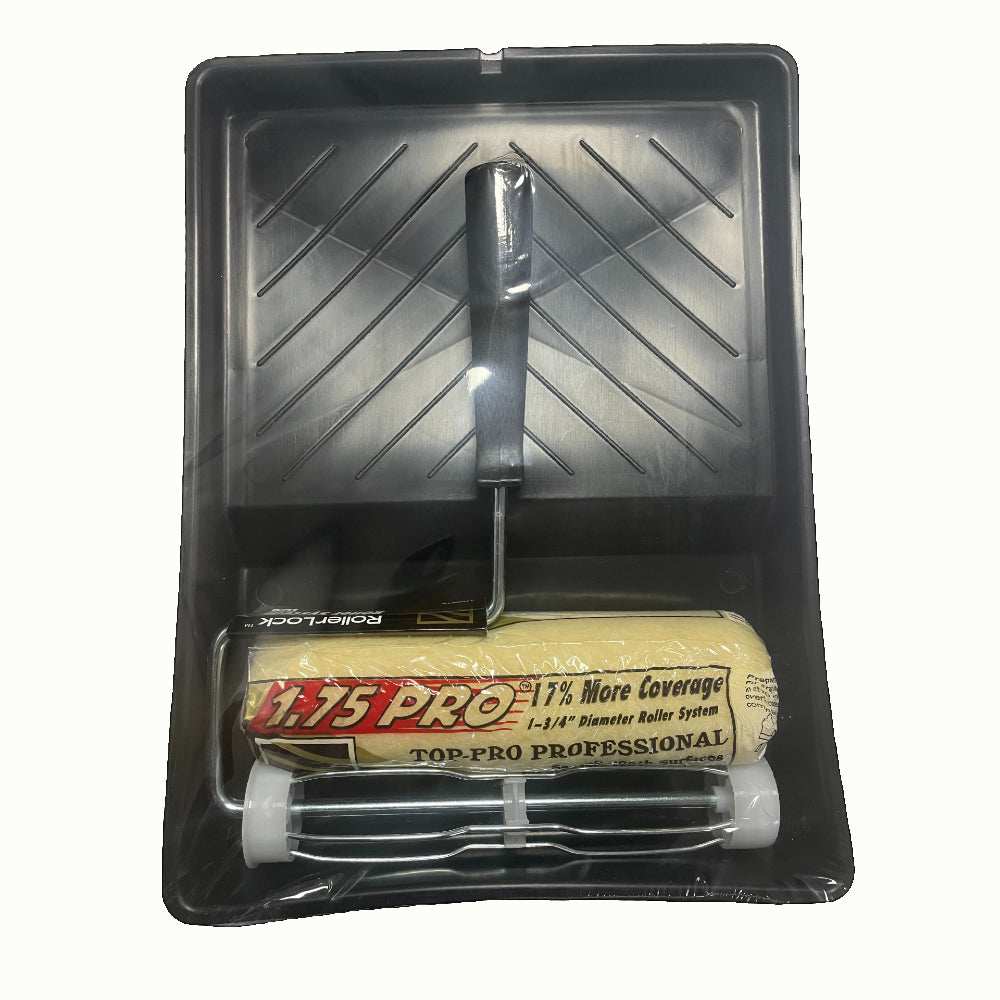
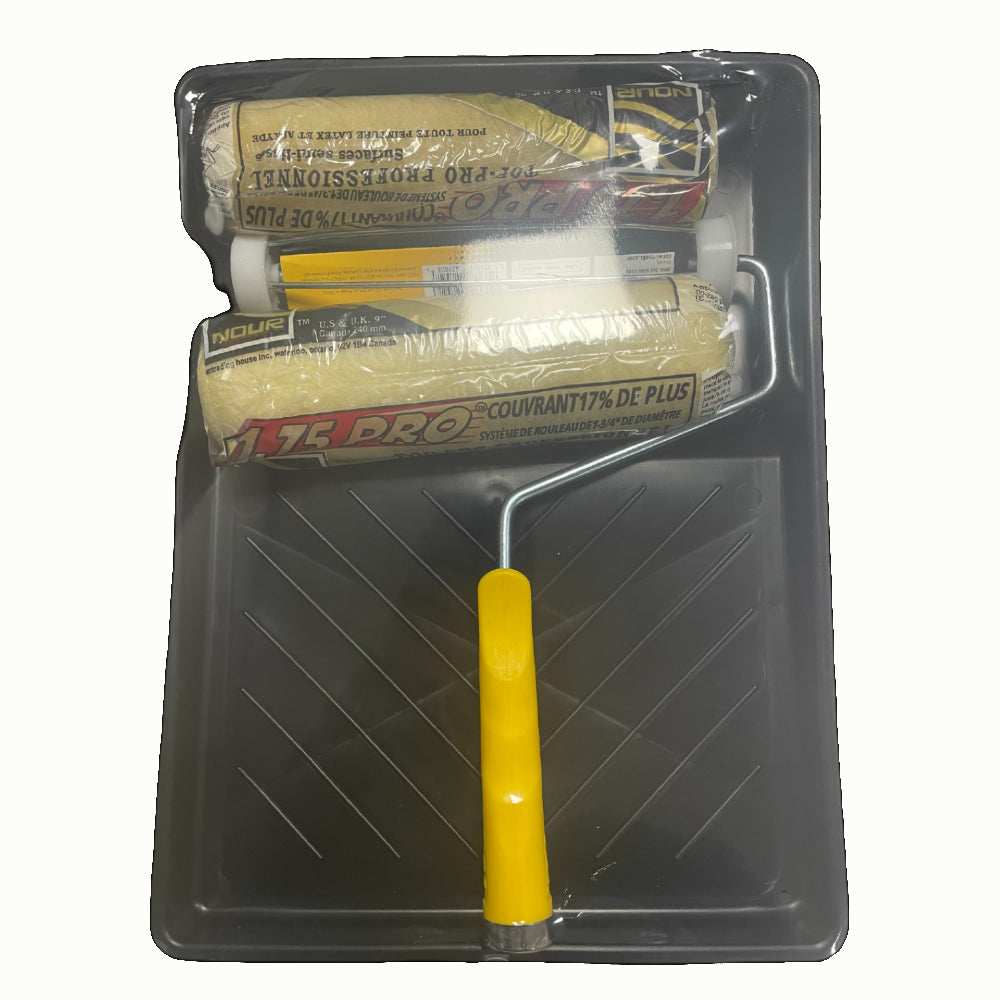
Although brushes are the main tool for painting woodwork, a Mini Roller can be extremely useful on large flat surfaces.
Many decorators use mini rollers on internal doors, cupboard doors and flat panels before lightly finishing with a brush for a beautifully smooth appearance.
Paint Kettle
A Paint Kettle makes cutting in around detailed woodwork much easier.
Rather than carrying a full paint tin around the room, decorators often transfer a smaller amount into a kettle for greater control.
Masking Tape
Using Masking Tape protects adjacent walls, glass and flooring while producing crisp paint lines around door frames, skirting boards and window surrounds.
Removing the tape carefully while the paint is still slightly soft usually gives the cleanest results.
Looking After Your Brushes
Brush Cleaning
Cleaning brushes thoroughly after every decorating session helps maintain their shape and performance for future projects.
Removing paint before it dries also makes cleaning significantly easier.
Brush Mate
Professional decorators often use Brush Mate to keep brushes in excellent condition between jobs.
Proper storage prevents brushes from drying out and helps maintain their performance over many decorating projects.
Common Mistakes When Painting Woodwork
Many decorating problems can be avoided with good preparation.
Some of the most common mistakes include:
- Skipping Sugar Soap.
- Painting over loose or flaking paint.
- Forgetting to use wood filler.
- Not sanding between coats.
- Using poor quality brushes.
- Applying too much paint at once.
- Ignoring small gaps that should be filled with Caulk.
- Failing to clean brushes properly after use.
Professional Decorating Tips
- Always clean woodwork thoroughly before sanding.
- Fill imperfections before applying any paint.
- Sand lightly between coats for a smoother finish.
- Use a good quality brush for detailed work.
- Choose sash brushes for mouldings and window frames.
- Use a Mini Roller on larger flat panels.
- Protect quality brushes with proper Brush Cleaning and Brush Mate storage.
Your Interior Woodwork Decorating Checklist
| Decorating Essential | Ready? |
|---|---|
| Dust Sheets | ✓ |
| Floor Protection | ✓ |
| Sugar Soap | ✓ |
| wood filler | ✓ |
| Filling Knife | ✓ |
| Sandpaper | ✓ |
| Sanding Blocks | ✓ |
| Caulk | ✓ |
| Paint Brushes | ✓ |
| good quality brush | ✓ |
| sash brushes | ✓ |
| Mini Roller | ✓ |
| Paint Kettle | ✓ |
| Masking Tape | ✓ |
| Brush Cleaning | ✓ |
| Brush Mate | Optional |
Frequently Asked Questions
Do I need to sand woodwork before painting?
Yes. Light sanding removes imperfections, improves paint adhesion and helps produce a smoother finish.
Can I paint over old gloss?
Provided the existing coating is sound, cleaning thoroughly with Sugar Soap and sanding the surface first will usually provide a suitable base for repainting.
What is the best brush for painting skirting boards?
A good quality brush offers excellent control, while sash brushes are particularly useful for detailed areas and mouldings.
Should I use a Mini Roller on interior doors?
Yes. Many decorators use a Mini Roller on flat door panels before lightly finishing with a brush to remove any roller texture.
How do professionals keep their brushes in good condition?
Professional decorators clean brushes thoroughly after use using proper Brush Cleaning products and often store them in a Brush Mate between decorating jobs.
Ready to Refresh Your Interior Woodwork?
Preparing woodwork properly and using quality decorating tools will always produce a better finish than rushing the job.
From preparation products and fillers to sanding equipment, brushes and decorating accessories, having the right equipment before you begin will make every stage of decorating easier and help you achieve professional-looking results throughout your home.